With the failure to take Richmond a new army was created and John Pope was transferred from the west to take command. Pope at that point had only one major victory to his credit, the taking of Island #10 on the Mississippi River, but he was selected as U.S. Grant had fallen out of favor.
Pope began marching south into Virginia with three corps to capture the rail junction at Gordonsville. Stonewall Jackson was dispatched to deal with Pope with 14,000 men and 10,000 more to follow. Pope made comments about how he would not retreat and what he would do to the rebels. Jackson was sent to “suppress” Pope.
Jackson found one of Pope’s corps under Nathaniel Banks and about 8,000 men isolated and he decided to go on the offensive on August 7. Severe heat slowed the march and while Jackson’s cavalry easily scattered the tired Federal cavalry pickets this alerted Pope to the danger. Pope ordered reinforcements to Banks who was ordered to take a defensive position near Cedar Run and the nearby Cedar Mountain.
On August 9 Jackson crossed the Rapidan and by noon his lead elements under Jubal Early had come in contact with Banks. While Early brought up his infantry his artillery began dueling with the Federals and further Confederate reinforcements came up. The artillery fire began to slow around 5 PM but Banks moved to attack hoping to catch the Confederates before they were ready. A Confederate division commander, Charles Winder, had been mortally wounded during the artillery duel and his command was in confusion as his replacement had no idea what the plan was (this is Jackson’s fault as he was notoriously secretive about his plans).
The Federal attack was strong and sent several Confederate regiments running to the rear from Winder’s Division. Banks’ attack now threatened the entire of Jackson’s force and the famous Stonewall Brigade had been driven from the field. Jackson himself rode up to rally his men, tried to draw his sword but found it stuck since he never used it and instead took a battle flag and urged his men to rally. They did.
Banks’ men at this point were tiring and becoming disorganized. The Stonewall Brigade counterattacked and began driving Banks back but some men bit off more then they could chew and became isolated beyond the Confederate line and a Union counterattack drove them back. Jackson now had reinforcements coming up under Richard Ewell and A.P. Hill and he sent them into the fray. The Union line broke immediately.
By 7:45 PM Banks’ men were in full retreat with only his reserve remaining intact. The Confederates pursued and nearly captured both Banks and Pope but darkness brought an end to the pursuit. Jackson knew that more of Pope’s army was near but he was not sure where it was so he called off the pursuit. In fact some were already arriving to cover the retreat.
For a battle that lasted as long as it did casualties were high. Banks lost about 2,350 men and Jackson lost about 1,300 men. Jackson remained in his position waiting for an attack but Pope would not do so and Jackson moved away on August 12.
Banks had nearly defeated Jackson, who was expecting to find his old foe beaten and cautious but instead found him aggressive. It was only the timely arrival of A.P. Hill that allowed Jackson to win the battle. Pope’s offensive was called off as Jackson started to go on a rampage and Pope was ordered to find Jackson and destroy him. He would get his chance a few weeks later.
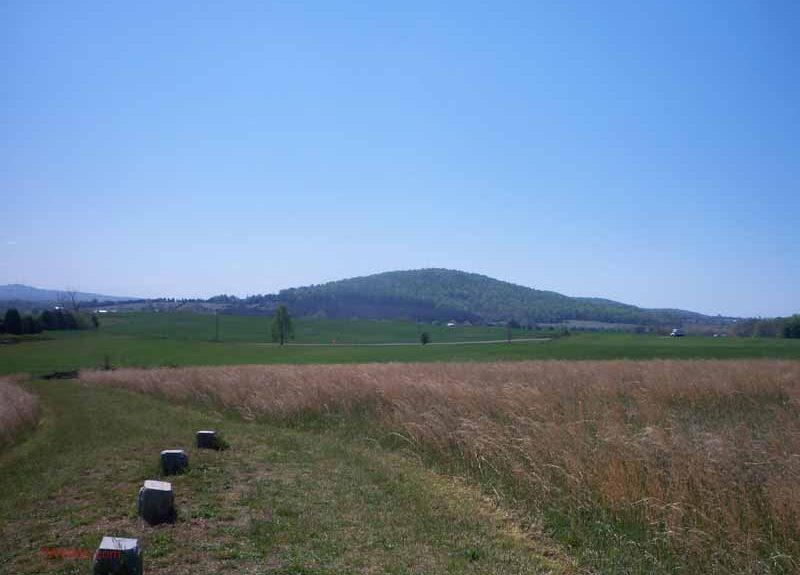
Much of the battlefield is preserved today as a part of the Cedar Mountain Battlefield Park.