Resaca was the first major battle of the Atlanta Campaign. It very well could have been the only battle of the campaign and perhaps the most decisive movement of the war. William T. Sherman was going to move on Atlanta, that was no secret. Joseph Johnston was leading the Confederate forces to stop him. Johnston had fortified the heights of the Rocky Faced Ridge near Dalton to block Sherman. The position was imposing and Sherman did not want to assault it. He had the versatility to maneuver and decided to get Johnston out of the position that way. There were few roads around the ridge and only one rail line, the Western and Atlantic which tunneled through the Chetooga Mountain just to the west of the ridge. The tunnel was built by slave labor in the 1840s and known as Tunnel Hill. Keeping the tunnel free and intact would make Sherman’s job easier resupplying his men so he needed to fight the Confederates elsewhere.
Johnston was informed that a large body of Union soldiers were heading in the direction of Rome which would take them through Resaca, a small town with a rail station. James Cantey’s Brigade was all that was sent to the area and began entrenching on May 7.
By May 9 James McPherson’s Union Army of the Tennessee moved out of nearby Snake Creek Gap and pushed Confederate cavalry pickets back toward Resaca. Sherman wanted to take control of the town and cut Johnston off, forcing him to fall back or attack Sherman where he would have the advantage. McPherson came within sight of the Western and Atlantic Railroad and Fort Wayne but stopped and only sent forward cavalry to scout. He had the opportunity of a lifetime to trap the Confederate army and destroy part of it but hesitated. If he had advanced Johnston would have been trapped and the campaign could have ended there with the war soon to follow.
Once the threat was clear Johnston did not wait. 20,000 men were on their way to Resaca and arrived by May 13. Sherman arrived with most of his remaining forces, George Thomas’ Army of the Cumberland and John Schofield’s Army of the Ohio. On May 13 he began testing the Confederate position for weaknesses.
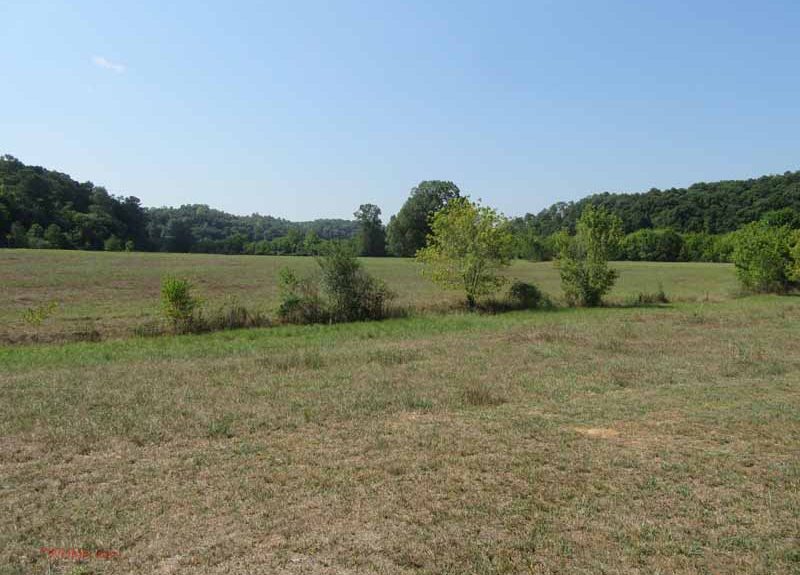
Johnston’s men occupied a high hill that overlooked an open field to the north and west. A small creek meandered through the battlefield. Sherman attacked on May 14 over this ground and was repulsed in all sectors except for the far Confederate right. Sherman’s men there achieved a breakthrough but it was not taken advantage of. Fighting continued the following day but Sherman realized that he would not be able to drive Johnston off. Johnston held a strong position and was entrenched.
Sherman decided to move further south. Pontoon bridges were laid across the Oostanaula River and his men marched south. Johnston was forced to abandon his strong position and follow to protect his supply line and communications. Sherman lost about 4,000 men while Johnston lost about 2,800 and the fighting for Atlanta would drag out until September.
Resaca is preserved as the Resaca Battlefield State Historic Site and opened in 2016. Tunnel Hill is still active today though the Civil War-era tunnel is no longer used. A small museum is there and a visitor can go through the tunnel.