The fall of 1863 in Virginia was warm and dry. By the early fall both armies had licked their wounds after Gettysburg and looked to take advantage of the weather to resume campaigning. The first Confederate incursion was turned back at Bristoe Station and now it was time for the Union to pursue.
George Meade, the commander of the Union Army of the Potomac, attempted to steal a march on Robert E. Lee and his Army of Northern Virginia. Meade had 81,000 men compared to Lee’s 48,000 and he wanted to get south of the Rapidan River believing that Lee’s army was split in two by a mountain. He would be able to cross the river away from cavalier J.E.B. Stuart’s patrols and crush the Confederate left held by Richard Ewell’s men. He intended to bring the entire army to bear with no diversions planned. The march began on November 25.
The lead element, William French’s III Corps, took longer than anticipated to cross the river. Meade was furious but this delay allowed Lee to react and he moved Ewell’s Corps (under the command of Jubal Early) to take position off of the Orange Turnpike. The two sides met near Michael Payne’s Farm.
French’s lead element under Joseph Carr attacked and pushed back one of Early’s divisions led by Edward Johnson. Johnson attempted to retake the ground but was pushed back twice. Lee though was preparing breastworks along Mine Run and pulled Johnson back. Meade pursued and bombarded the position with his artillery. An infantry assault was to follow but the commander of Meade’s II Corps, Gouverneur Warren refused to assault a position he considered to be too strong. Meade relented and canceled the assault. Ever on the lookout Lee found and exposed part of Meade’s line and planned an attack of his own but by the time he was ready Meade had pulled back. The campaign was over.
Both armies now went into winter quarters. The Lincoln Administration was not happy with Meade and while he was not relieved of command he was essentially superseded when U.S. Grant was brought east to take command.
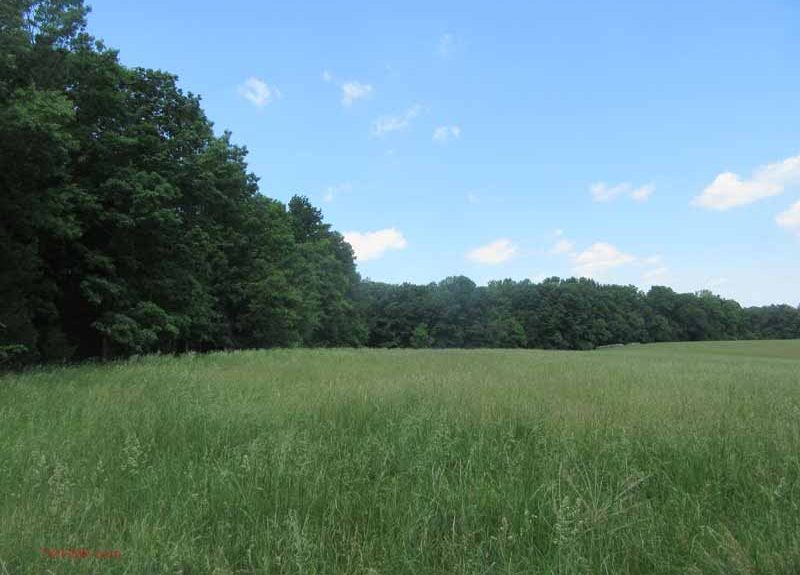
The battlefield is one of the newest battlefields to be preserved by the Civil War Trust in 2017. A walking trail takes visitors through the forest where the fighting occurred.