Despite the successes around Boston early on in the war it was not going well for George Washington in the North. His army had been thrown out of New York and New Jersey. Men were deserting in droves and even Washington himself doubted that victory was possible. Winter had set in and both sides should have been settling down into winter quarters.
About 1,400 Hessian soldiers were placed in Trenton under Johann Rall. Washington had a spy in Trenton who was telling the Hessians that his army was used up and would not attack. This spy arranged to be “captured” by the Colonists to give Washington his information.
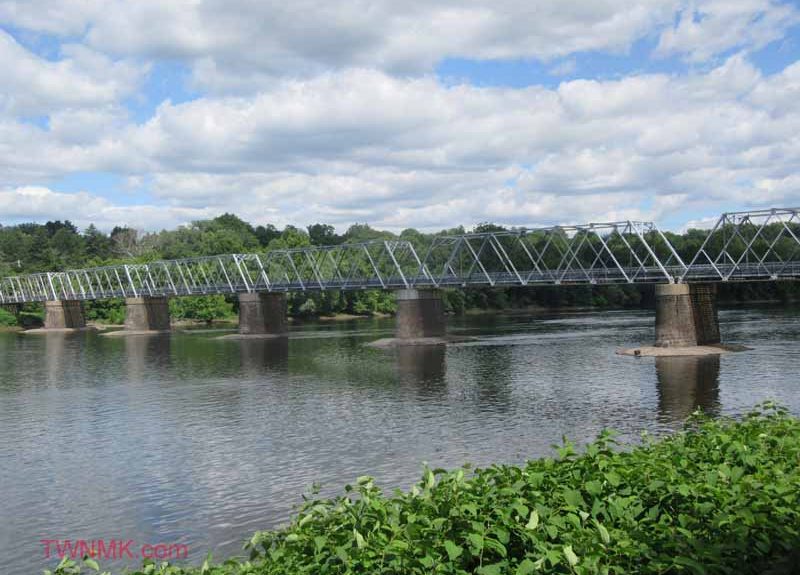
Washington decided to make a three pronged attack. He would lead the main force of about 2,400 men across the Delaware River 9 miles from Trenton. This force would be further divided to attack from two directions. About 700 militiamen wound cross and seize a bridge to prevent the Hessians from escaping. Another force would launch a diversionary attack near Bordentown. Colonial forays into New Jersey brought valuable intelligence and spread Hessian forces thinner. Washington needed to hurry, he believed that William Howe near Philadelphia would cross the Delaware River as soon as it froze.
Trenton lacked any fortifications as the British did not believe that the Colonial rabble were strong enough. Rall believed his men could hold the town. On the Pennsylvania side each soldier was given 60 rounds of ammunition and the phrase “Victory or death” became the password. When the army reached the river it began to rain which then turned to snow. It took until 3 AM to complete the crossing and since the plan called for an attack at daybreak many were worried that this would turn into a disaster. The weather also prevented the other wings of the army from joining in. Washington would have to go it alone.
The march to Trenton began at 4 AM. Many of Washington’s men did not have shoes and their feet began to bleed. Outside of town a small Colonial force was encountered that had made a raid on Trenton. They were oblivious to Washington’s plans and Washington feared that the element of surprise would be lost. In a way, they had helped to further the plan on. Rall had been advised that the Colonial forces were on the move and he believed that this was the attack he had been warned about.
At 8 AM Washington began attacking Hessian outposts and the battle began to move into the town which was being cut off and surrounded. Colonial artillery on the Pennsylvania side opened up on the Hessians. The Hessians formed up but their ranks were broken by Washington’s artillery and Colonials taking positions in houses. The Hessians began to panic. Their artillery was overwhelmed or broke down. The poor weather caused the powder to become wet and the Colonists turned to the bayonet. As resistance collapsed Rall made one last attempt to stop the inevitable. Two regiments advanced, managed to retake their artillery, but were pushed back by Colonial fire from several directions. Rall fell, mortally wounded.
The Hessians escaped into a nearby field where they were called on to surrender and did. The battle cost the Hessians about 100 casualties and around 900 men surrendered. Colonial losses were two deaths during the march to the battle and five wounded, one of which was future US President James Monroe. Arms, ammunition and provisions were captured, including much needed shoes and blankets. The low morale was now gone with a great victory won. Washington re-crossed back into Pennsylvania by noon.
Much of the battlefield has been lost but a large monument in Trenton was erected to commemorate the battle. The site where Washington crossed the Delaware is preserved as Washington Crossing Historic Park.