Nathanael Greene faced an uphill task in the South when he took command. The British army was moving wherever it wanted to and no Colonial force it seemed could stop it. Following the disaster Camden he had an army of about 2,300 men, with less than 1,000 of them being trained soldiers of the Maryland Line. He was probably glad to see Dan Morgan and his Virginia Riflemen arrive.
Morgan had fought around Boston when the war began, took part in the Invasion of Canada (where he had been captured) and after being exchanged had helped Horatio Gates win at Saratoga. But he was not a happy man, he felt he had been passed over for promotion and left the army. Now he had that promotion to brigadier general and was back.
Greene did not believe that his army could win a stand-up fight with the British army under Charles Cornwallis. He decided to divide his army to both gather supplies and to protect the local citizenry. Cornwallis received bad information that Morgan was moving to attack Ninety-Six and sent Banastre Tarleton to stop him. Tarleton had seen action all throughout the south and was not well liked by his foe. They believed that he executed prisoners and gave him the nickname “Bloody Ban.” Tarleton’s star was on the rise.
When Tarleton arrived at Ninety-Six in December of 1780 Morgan was nowhere to be found but he did find out where Morgan was and began pursuit. Morgan had about 2,000 men and Tarleton had about 1,100 but Morgan knew that despite having a numerical advantage they could not stand up to British regulars. So he placed his army between two rivers, so that escape would be impossible. The regulars were placed on an open hill with their flank exposed but with a skirmish line to their front. The militia were placed in wooded areas along a ravine and a creek on the flanks. Morgan wanted to entice Tarleton to attack and asked the militia to only stay long enough to fire two volleys and then withdraw and reform.
Tarleton had been pushing his men hard and had them on the road on January 17 at 2 AM. Their food was nearly exhausted and most soldiers were operating on a max of four hours of sleep over the previous two days. They were exhausted but Tarleton sensed victory and was determined not to let Morgan escape now that he was within his grasp. He decided on simple tactics to make a frontal assault. He walked right into Morgan’s trap.
Tarleton’s men drove the skirmish line and militia line back easily when they attacked around sunrise. The riflemen did shoot down many British officers but Tarleton sensed victory and spurred his men onward. The militia line fled after firing their second shot. Some of Tarleton’s men moved to flank Morgan’s Continentals on the hill and the Virginia militia in the woods fled. The attacking Scottish Highlanders pursued. Suddenly the militia men stopped, turned and fired a volley stopping the Highlanders and charged them with their bayonets. The rest of the Colonials now charged and Tarleton’s men were surrounded on three sides as the supposed defeated militiamen reappeared all around.
Many of Tarleton’s men surrendered. Tarleton, after engaging William Washington in personal combat managed to shoot Washington’s horse and escaped with a handful of men. The battle was over in less than one hour. Morgan lost about 150 men, Tarleton lost over 1,100 men, mostly captured. Cornwallis was now forced to abandon his campaign in South Carolina and while the war was not over this was the beginning of the end.
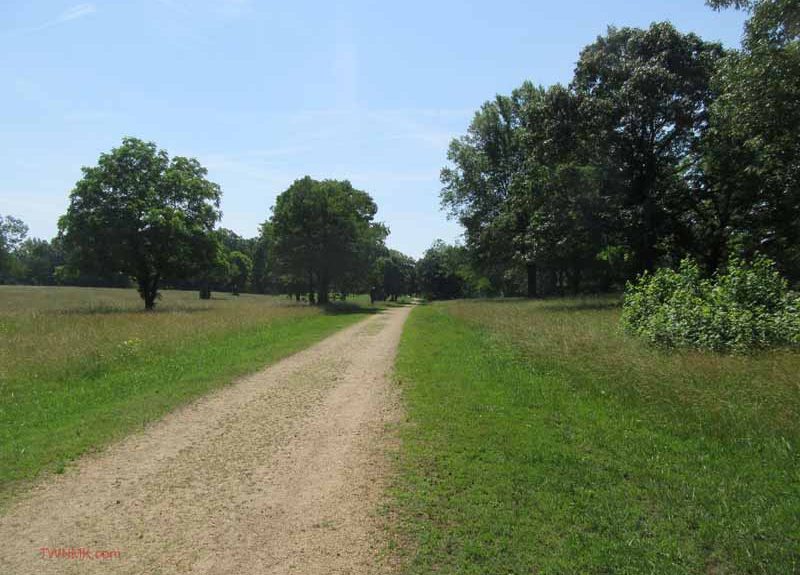
The battlefield is preserved as Cowpens National Battlefield.